FLOW
Flow brings to life the diverse stories of water and women worldwide.
From melting glaciers in Iceland, droughts in Brazil, and flooding rivers in the UK, to rising sea levels in Tuvalu, water is carrying an important message about the climate crisis - and we are here to amplify her voice, to let her be heard.
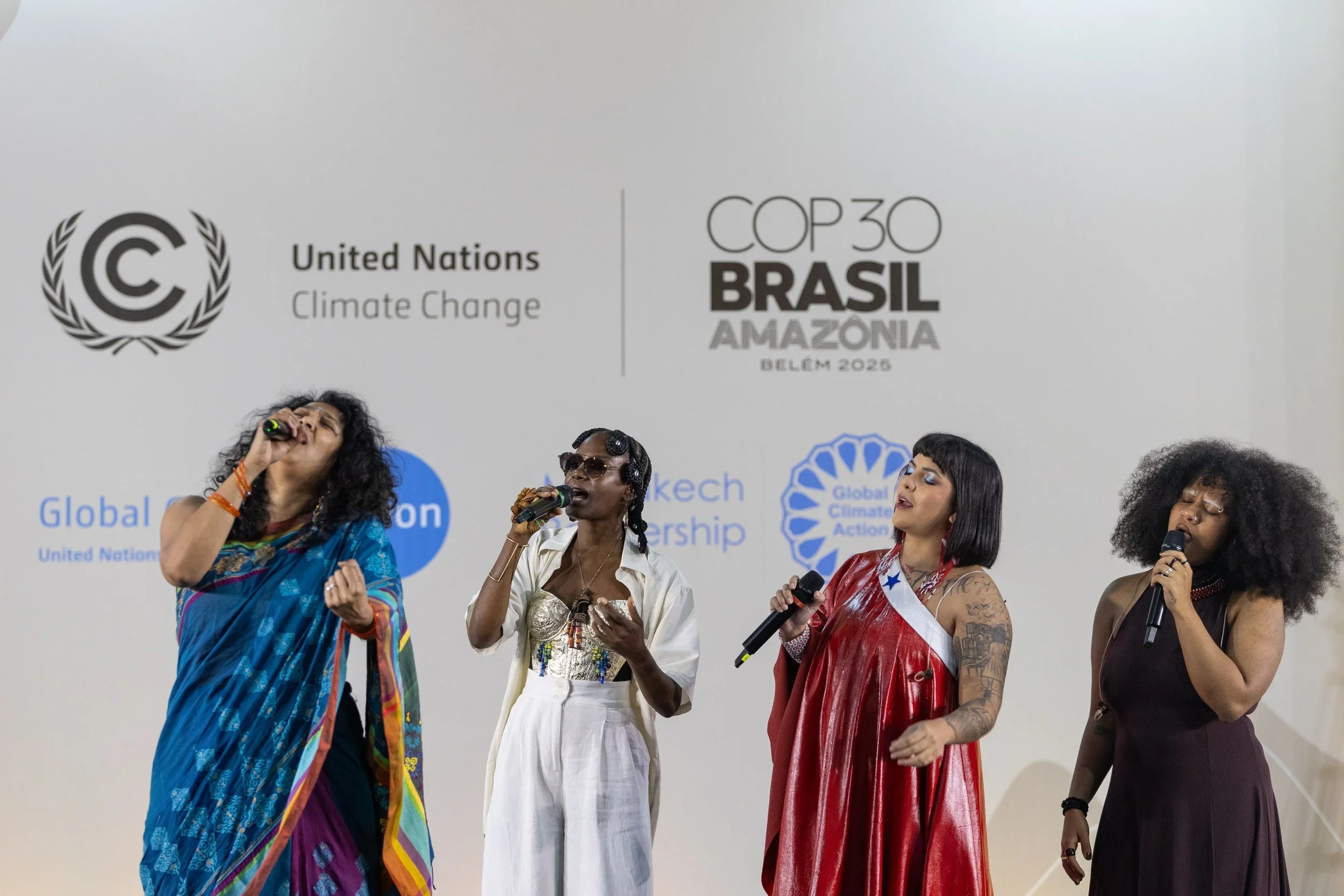
2025 United Nations Climate Change Conference
The project began as an international artistic collaboration between seven remarkable artists who came together to translate the stories of water into sound.
This collaboration was first presented through five live performances at the UN Climate Conference COP30, in the Brazilian Amazon, in November 2025, where the artists shared their powerful music with key media, activists, and change makers.
Album
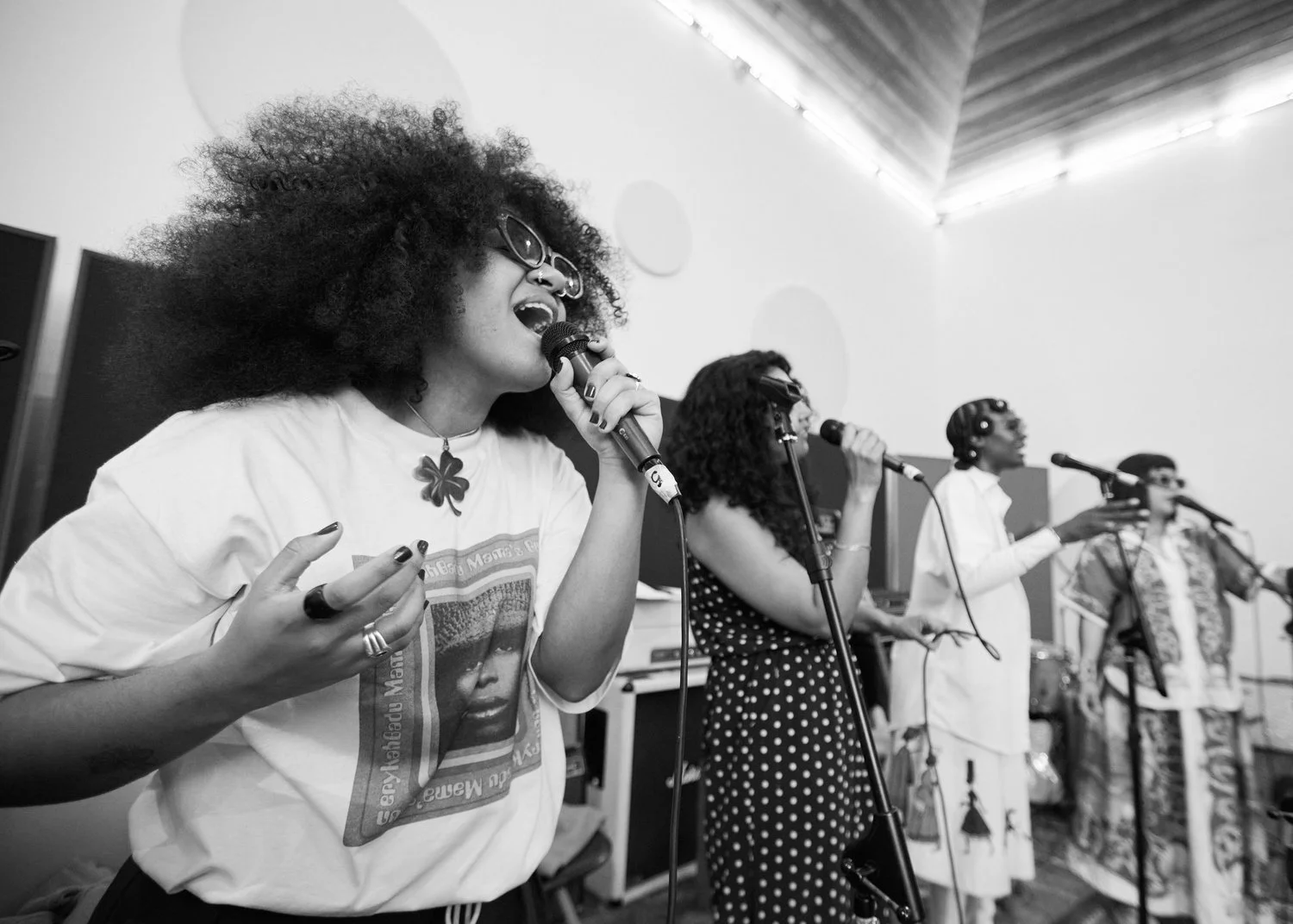
The tracks developed during the collaboration will be released as an album in November 2026, produced by Grammy-winning Jennifer Decilveo and Venezuelan producer Alejandra Luciani.
The album will feature new tracks from artists from different parts of the world, including Nadine Shah (UK), Charlotte Church (UK), Sohini Alam (British-Bangladeshi), Jaloo, Bebé Salvego and Keila (Brazil), Maxine Peake (UK), Madame Gandhi (USA) and Icelandic Artists Valdis, Soffía Meldal, Kiely and Laura Luard.
The artists have created music using unique water sounds from EarthSonic’s Sounds Archive - a growing collection of recordings that capture the voices of our planet’s waters.
The first single, Mhondoro, will be launched on 30 April 2026 to mark Earth Month.
Film
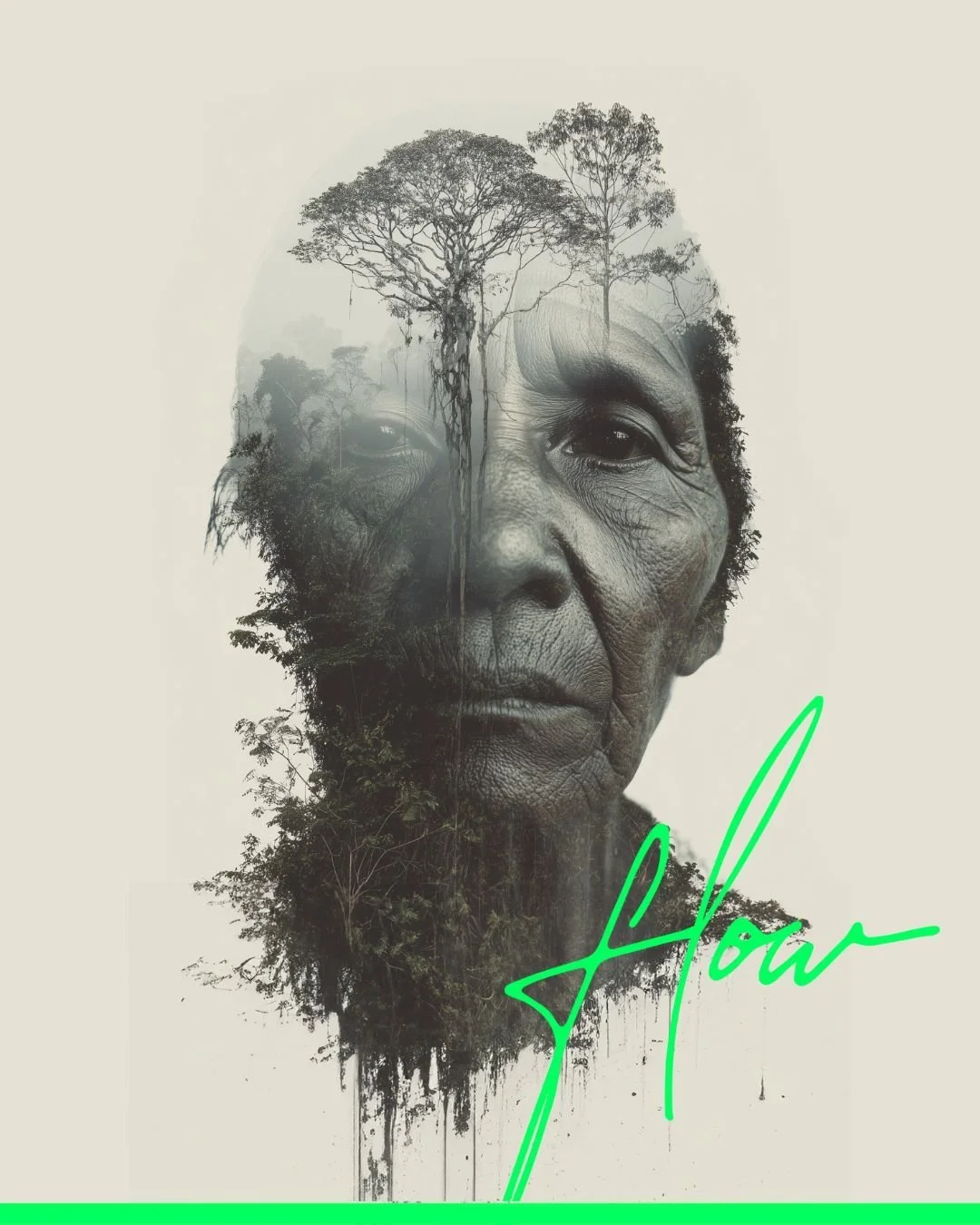
The album will also become the soundtrack to an artistic documentary film, weaving together interviews with women from six countries affected by the water-related crisis.
Set for release in November 2026 at COP31, in Turkey, the film captures a global chorus of water and womanhood, offering a visual, visceral, and sonic reflection on resilience, interconnectedness, memory, and climate justice.
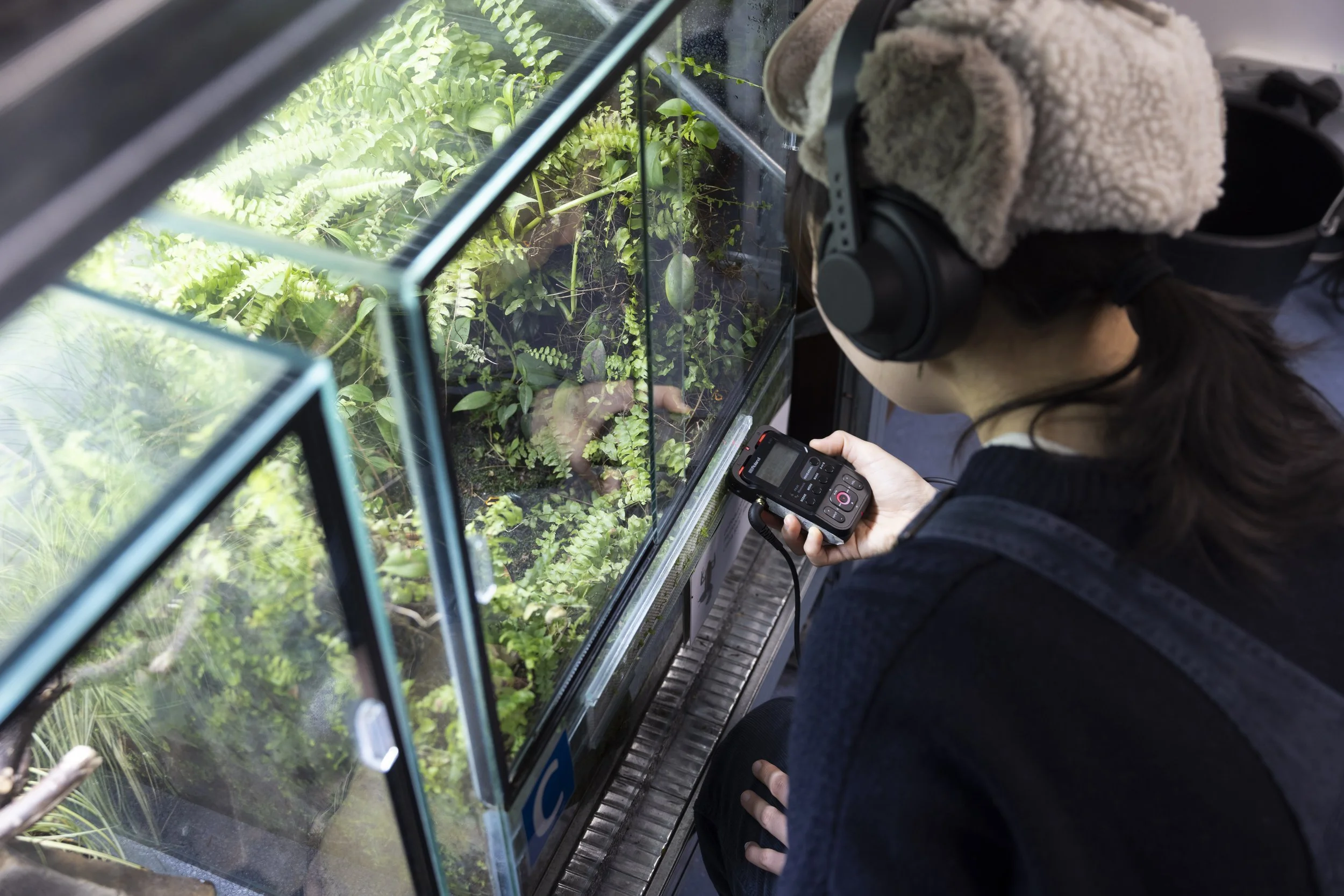
The science behind Flow
Water is the primary medium through which climate change impacts are felt.
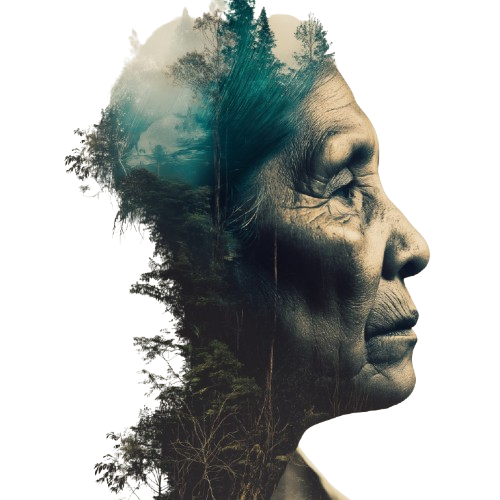
Why Women?
Women, especially in the Global South, are often more vulnerable to climate change impacts due to social, economic, and cultural inequalities.